
Is TRT Safe? A Long-Term Safety Guide
Safety is the number one concern men have before starting testosterone therapy. And it should be. You’re making a decision about your health, and you deserve straight answers based on evidence, not marketing hype.
Here’s what the research actually says about TRT safety, what the real risks are, and how proper medical supervision at Phoenix Men’s Health Center makes all the difference.
The Short Answer
When prescribed to men with clinically diagnosed low testosterone, properly dosed, and monitored with regular lab work and follow-up visits, testosterone replacement therapy is considered safe by major medical organizations. The key words are prescribed, properly dosed, and monitored.
TRT that is self-prescribed, obtained without medical oversight, or used without monitoring is a different story entirely. That’s not what we do at Phoenix Men’s Health Center.
What the Research Shows
Let’s address the most common safety concerns one by one:
Heart Health
Multiple large-scale studies have found that medically supervised TRT does not increase the risk of heart attack or stroke in men with diagnosed low T. Some research suggests cardiovascular benefits from restoring normal levels.
Prostate Safety
The outdated belief that TRT causes prostate cancer has not been supported by modern research. Current guidelines do not list TRT as a cause. However, men with active prostate cancer should not receive TRT.
Blood Health
TRT can increase red blood cell production. This is manageable with regular monitoring of hematocrit levels. If levels rise too high, your provider adjusts your protocol. This is exactly why monitoring matters.
Liver Function
Injectable and topical testosterone (the methods we use) have minimal impact on liver function, unlike oral testosterone tablets. We monitor liver markers as part of our standard lab panel regardless.
Fertility Impact
TRT can reduce sperm production. If you're planning to have children, discuss this with your provider before starting treatment. Our fertility services can help address this concern.
Mental Health
Properly dosed TRT is associated with improved mood and reduced depression symptoms in men with low T. Supraphysiological doses (steroid abuse) are a different situation entirely.
How Phoenix Men's Health Center Keeps You Safe
The safety of TRT comes down to medical supervision. Here’s how we do it:
Comprehensive baseline labs. Before you start treatment, we run a full panel including total testosterone, free testosterone, estradiol, hematocrit, PSA, liver function, lipids, and metabolic markers. This gives us a complete picture of your health before anything changes.
Regular monitoring. More frequent lab work in the first 3-6 months while we optimize your protocol. Then every 3-6 months once stable. We don’t just check testosterone. We monitor everything.
Proactive adjustments. If any marker moves outside the optimal range, we adjust your protocol immediately. We don’t wait for symptoms to develop. We catch it in the lab.
Experienced providers. Our team, including Dr. Jean-Luc Le Provost and Dr. Rueda, specializes in men’s health and hormone optimization. This isn’t a side offering at a general practice. It’s all we do.
Have Safety Questions? Let's Talk.
Your $49 screening includes a provider consultation where you can ask anything about TRT safety, monitoring, and what to expect. Real answers from real providers.
Frequently Asked Questions
Yes, when medically supervised. Long-term studies have not shown increased health risks in men using properly prescribed and monitored testosterone therapy. Regular lab monitoring is essential for long-term safety.
No. Large-scale research has not demonstrated an increased cardiovascular risk from medically supervised TRT in men with clinically low testosterone. Some studies suggest potential cardiovascular benefits from restoring normal testosterone levels.
Current evidence does not support the claim that TRT causes prostate cancer. However, men with active prostate cancer should not receive testosterone therapy. We screen for PSA as part of our monitoring protocol.
No. TRT restores testosterone to normal, healthy levels under medical supervision. Anabolic steroid abuse involves supraphysiological doses without monitoring. They are fundamentally different in purpose, dosing, and safety profile.
Self-prescribing, using testosterone without medical supervision, skipping lab monitoring, and using doses that push levels above the normal range. All of these remove the safety guardrails that make TRT safe. At Phoenix Men’s Health Center, we eliminate these risks through proper medical oversight.
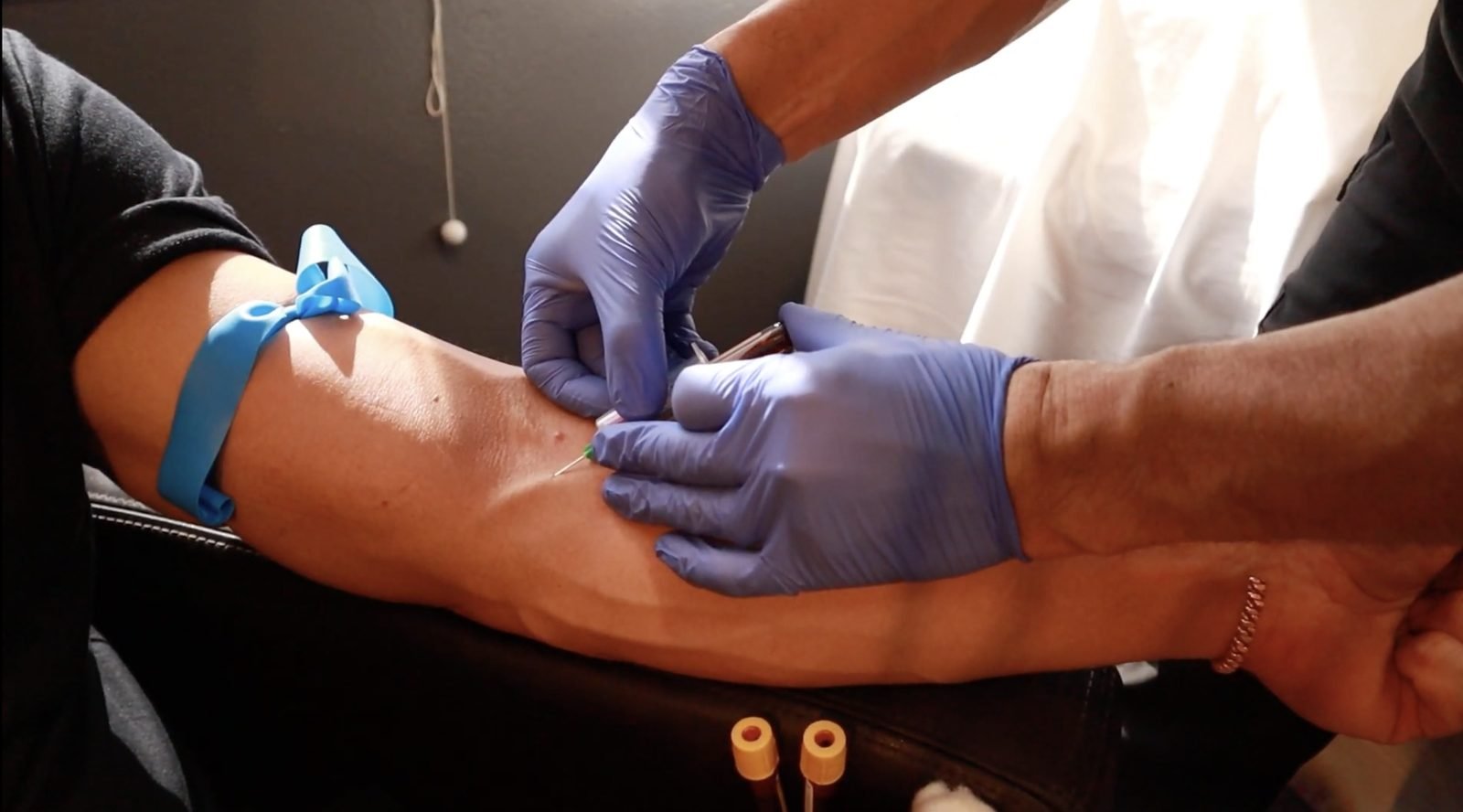

Dr. Le Provost leads Phoenix Men's Health Center, where physicians build and monitor every patient's plan around real lab work.
→ Explore Testosterone Therapy in PhoenixMedical Disclaimer: This content is for informational purposes only. Individual risk factors vary. Please consult with a healthcare professional before starting any treatment.
Reviewed by: Dr. Jean-Luc Le Provost, NMD | Phoenix Men’s Health Center | Last updated: April 2026